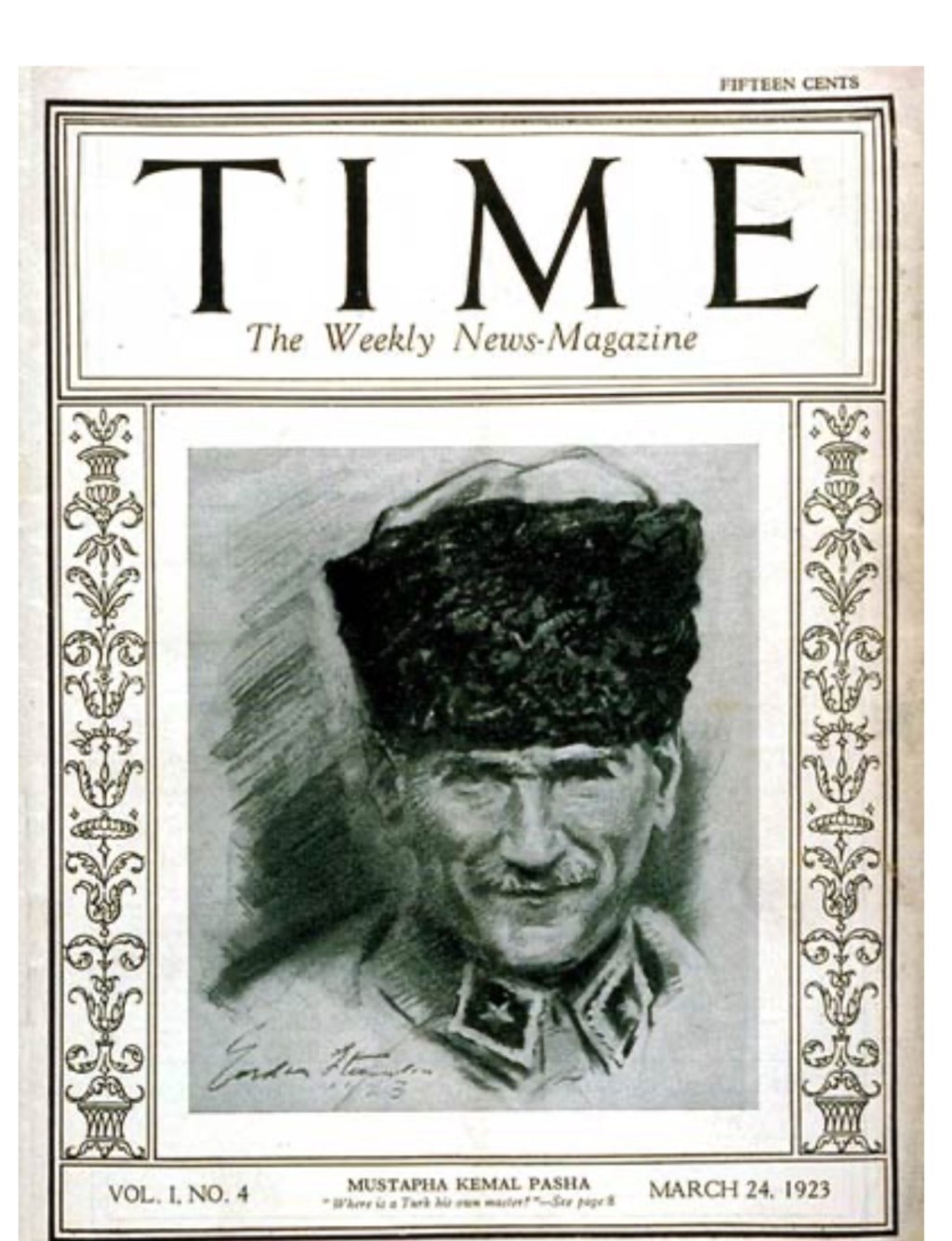
I have once again come across a TIME magazine cover featuring a person I know nothing about. I at first had one of those, “This is what people are talking about” moments where I was blaming schools for only teaching white history. Then as I researched and read about the fall of the Ottoman Empire and the creation of the country Turkey, I remembered bits of my 8th grade history class. I also remembered a dinner table discussion with my dad where I told him learning history was pointless because you can’t change the past and we need to focus on the now. So maybe it’s partly that we are taught a skewed, minimal version of non-white history, but the problem is also teenagers who think they know everything and teachers who fail to engage their students.
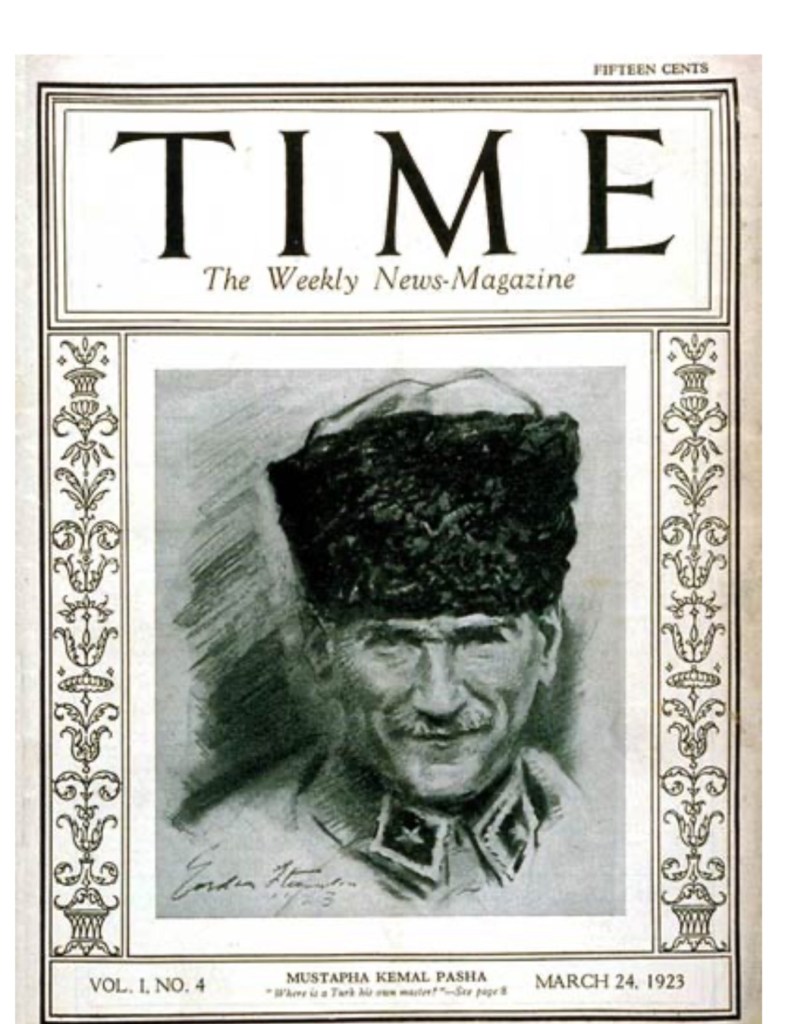
This is Mustapha Kemal Pashia, also known as the founding father of Turkey. He was born in the Ottoman Empire in the area we now consider Greece. His father died when he was a child, and living with his mother’s family on a farm wasn’t for him. He chose to attend military school, where he excelled.
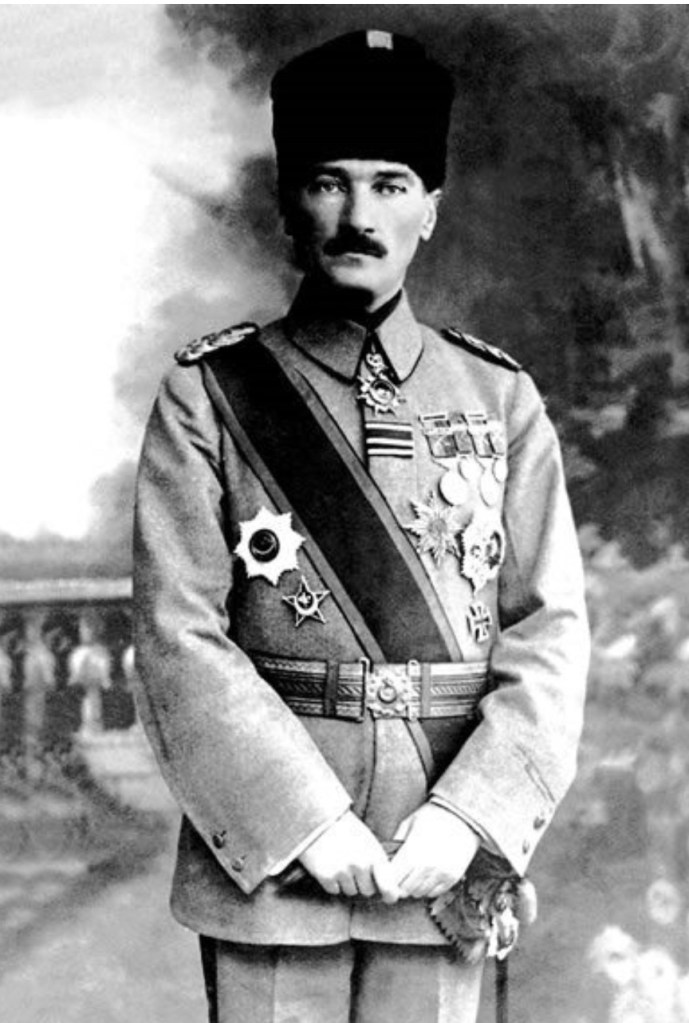
He graduated in 1902 as a junior staff officer. In 1906, he helped establish a secret society known as Vatan ve Hurriyet or Motherland Society. This was just one of the many revolutionary cells found in the ranks of young Turkish officers. Mustafa Kemal continued his military career, suffering an eye injury during the war with Italy in 1912.
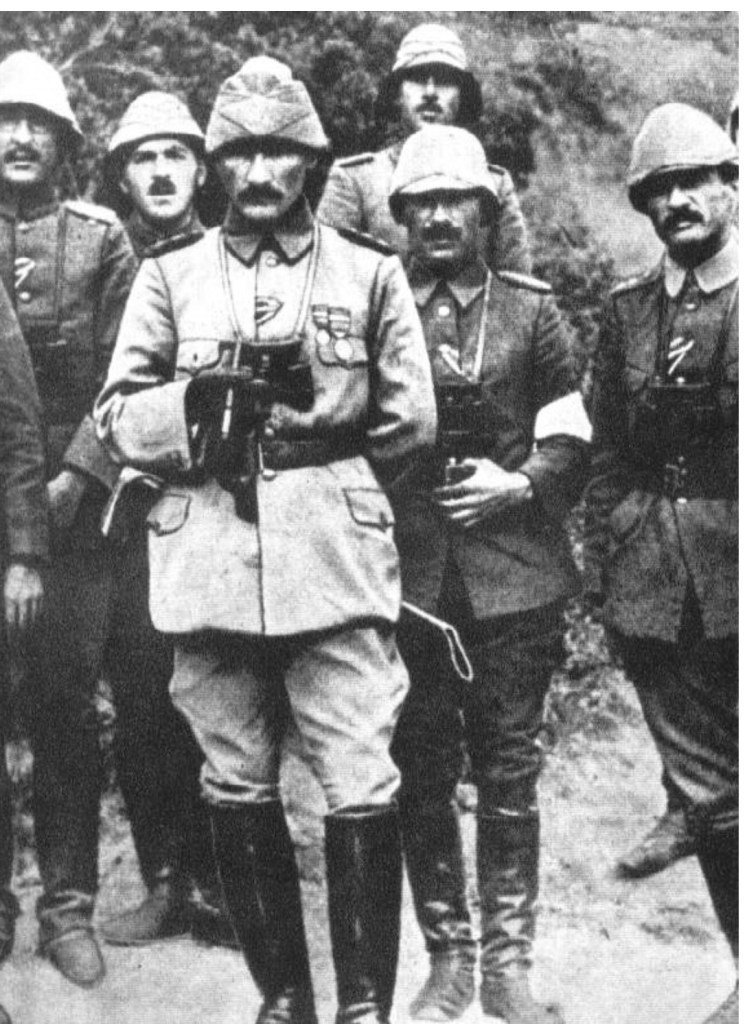
He assisted in defending the Ottoman Empire from the Allies. He was able to hold them back for a while, but eventually the empire had to admit defeat. While the Allies rallied behind the grand vizier, Mustafa Kamal brought together a nationalist group to fight for a free republic of Turkey. His followers nicknamed him the father of Turkey, which is how he ended up on the cover of TIME magazine.
On October 28, 1923, the Republic of Turkey was recognized a country. The government was now ruled by the people instead of religion or the Monarchy.
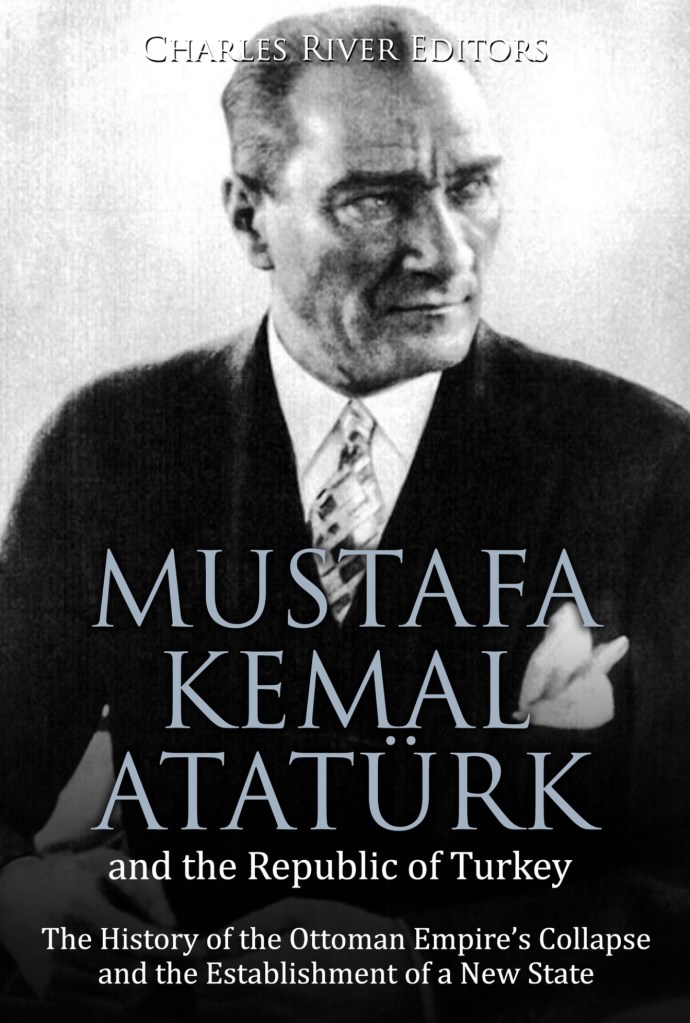
My research for this post came from the book, Mustafa Kemal Ataturk and the Republic of Turkey. It’s short but informative.
Happy history.
Kristie
 Kristie's Craziness
Leave a comment